01
Stacking and swaying.
The very first thing the entire game grew from was a satisfying stacking mechanic. The more you stack, the more the tower sways and the slower you get, until your character literally bends under the weight.
Stack it high.
Don’t drop it.
Balance towering, wobbly piles of items across floating islands, avoid the guardians, and sell your stack to upgrade.
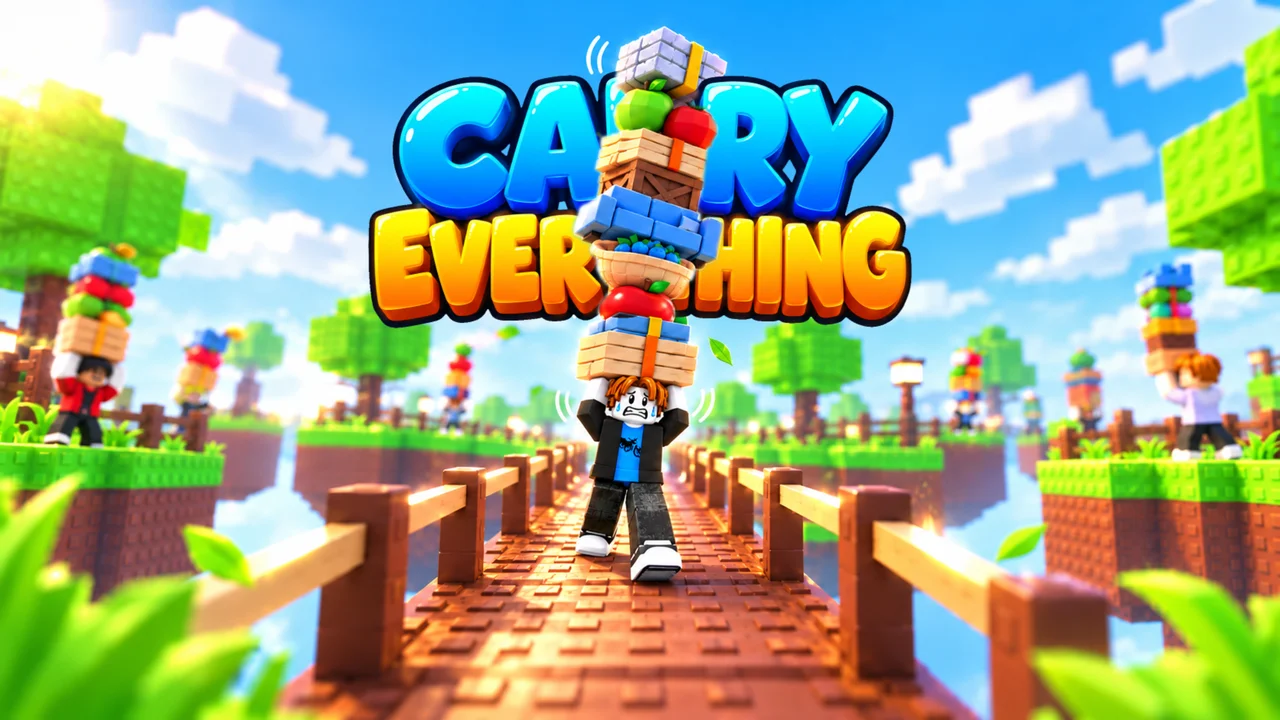
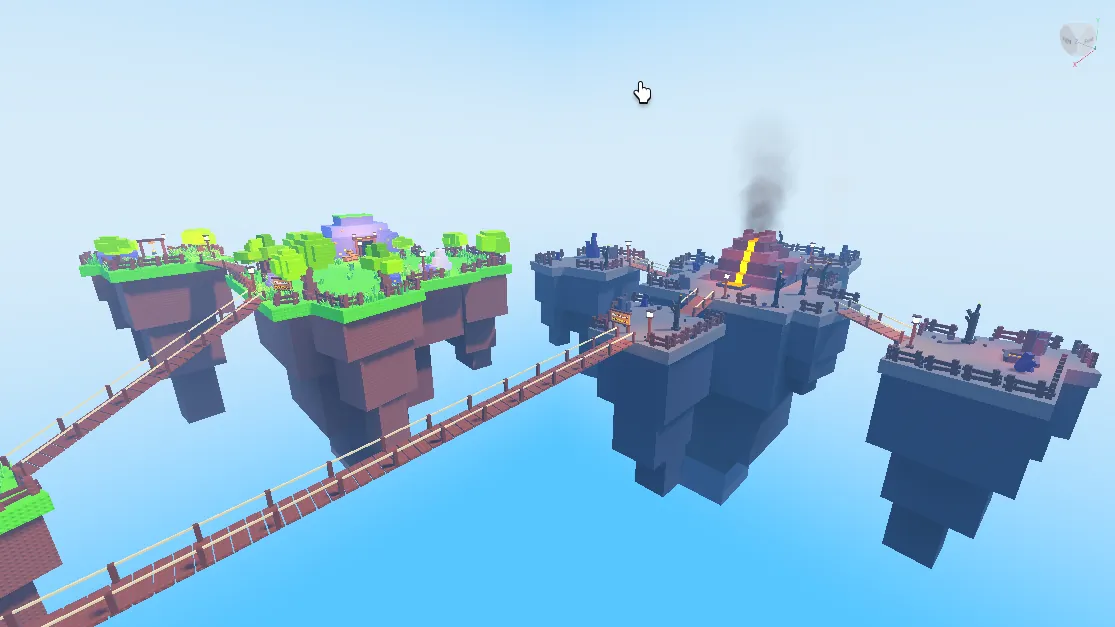
Players balance increasingly unwieldy towers of random things on their character’s head while exploring a floating world whose islands are guarded by animals.
The challenge is keeping the stack stable while navigating sky bridges, combining comedy, physical skill and strategic decision-making.
The very first thing the entire game grew from was a satisfying stacking mechanic. The more you stack, the more the tower sways and the slower you get, until your character literally bends under the weight.
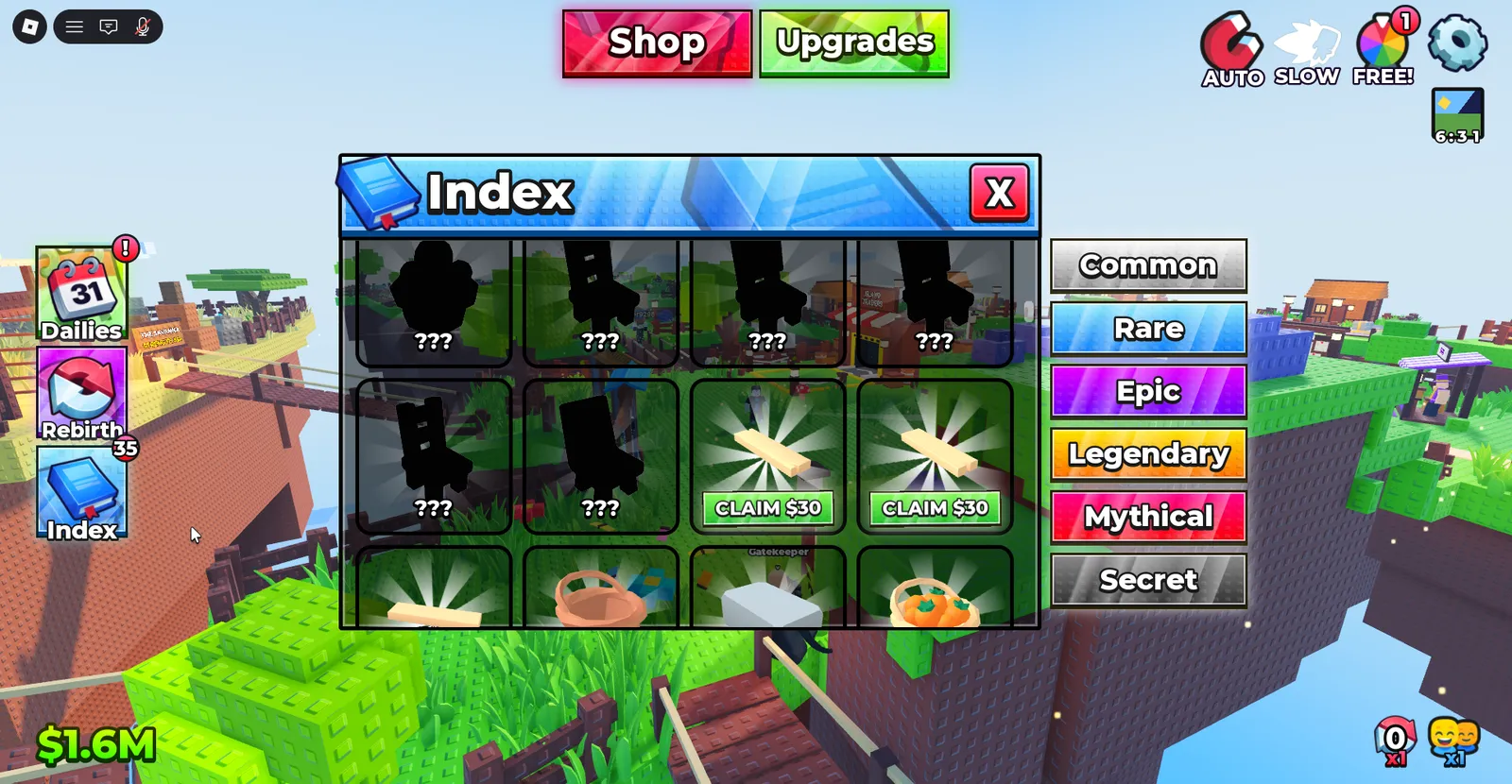
Once the stacking felt good, the next fun step was giving items values, mutations and rarities. One run you find a regular framed photo, the next a GIANT GOLDEN DOUBLE BED that takes up half your screen.
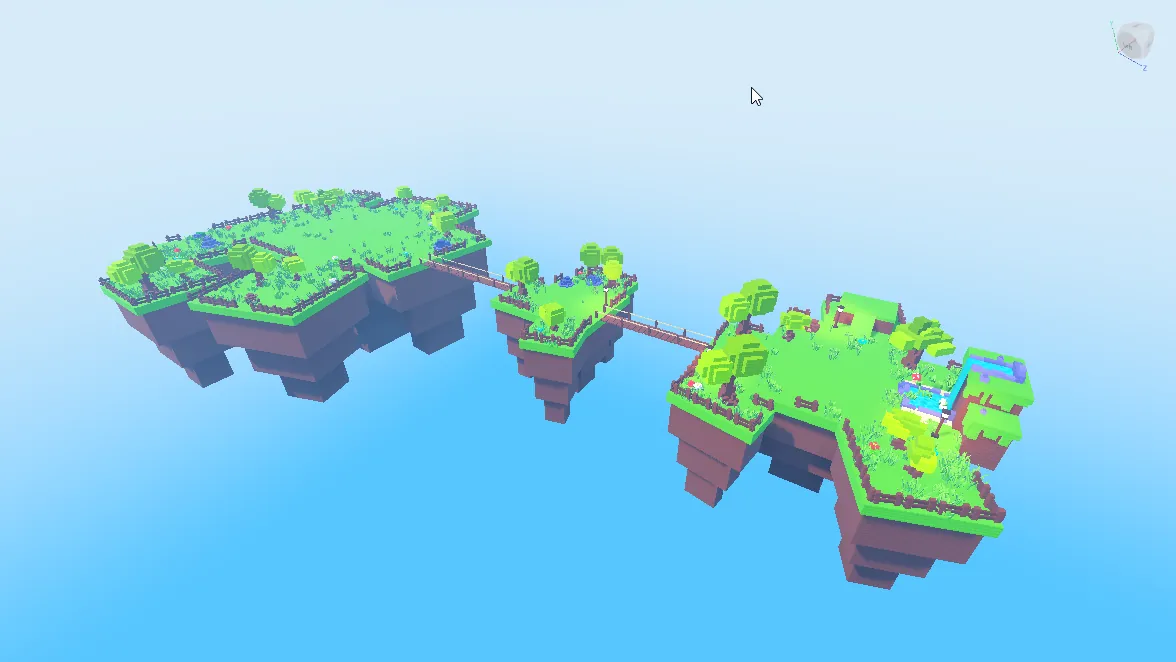
After the logic came the environment. I tried different approaches to islands and settled on cute Roblox stud-style islands full of flora and life, which made it easy to distribute the crazy items I made.
Surprisingly, it took a while to figure out which UI conveyed your stack best. In the end I settled on a diegetic UI that follows your stack, instead of a typical HUD element.
Plinths near the player’s home provide passive earnings: drop off your rarest items and let them earn while you play. Each player also gets their own home to enter, with customisation planned for the future.
With islands and a core loop but no threat, I added chasers. They guard their shinies, chase players who get too close and knock down entire stacks, which led to hilarious moments.
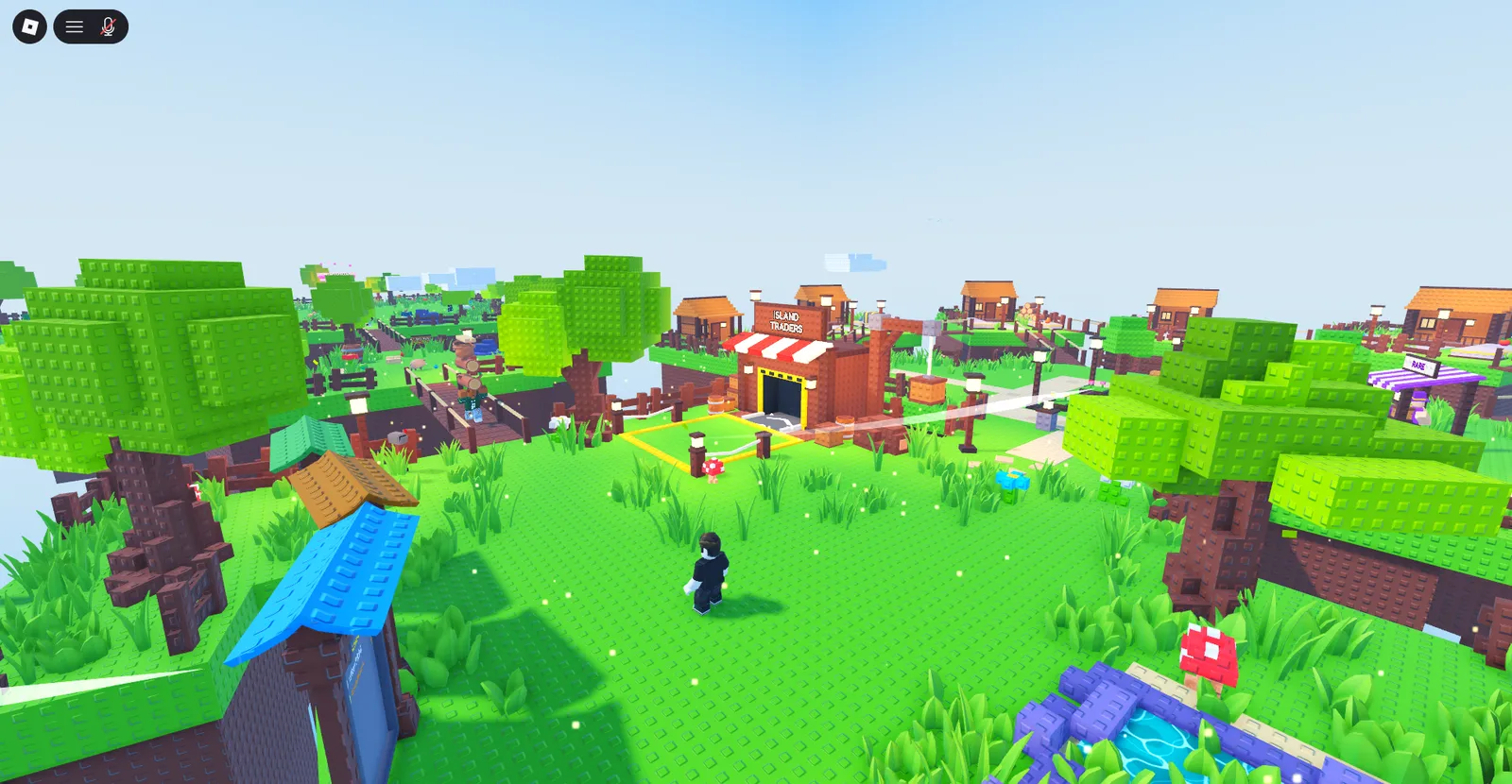
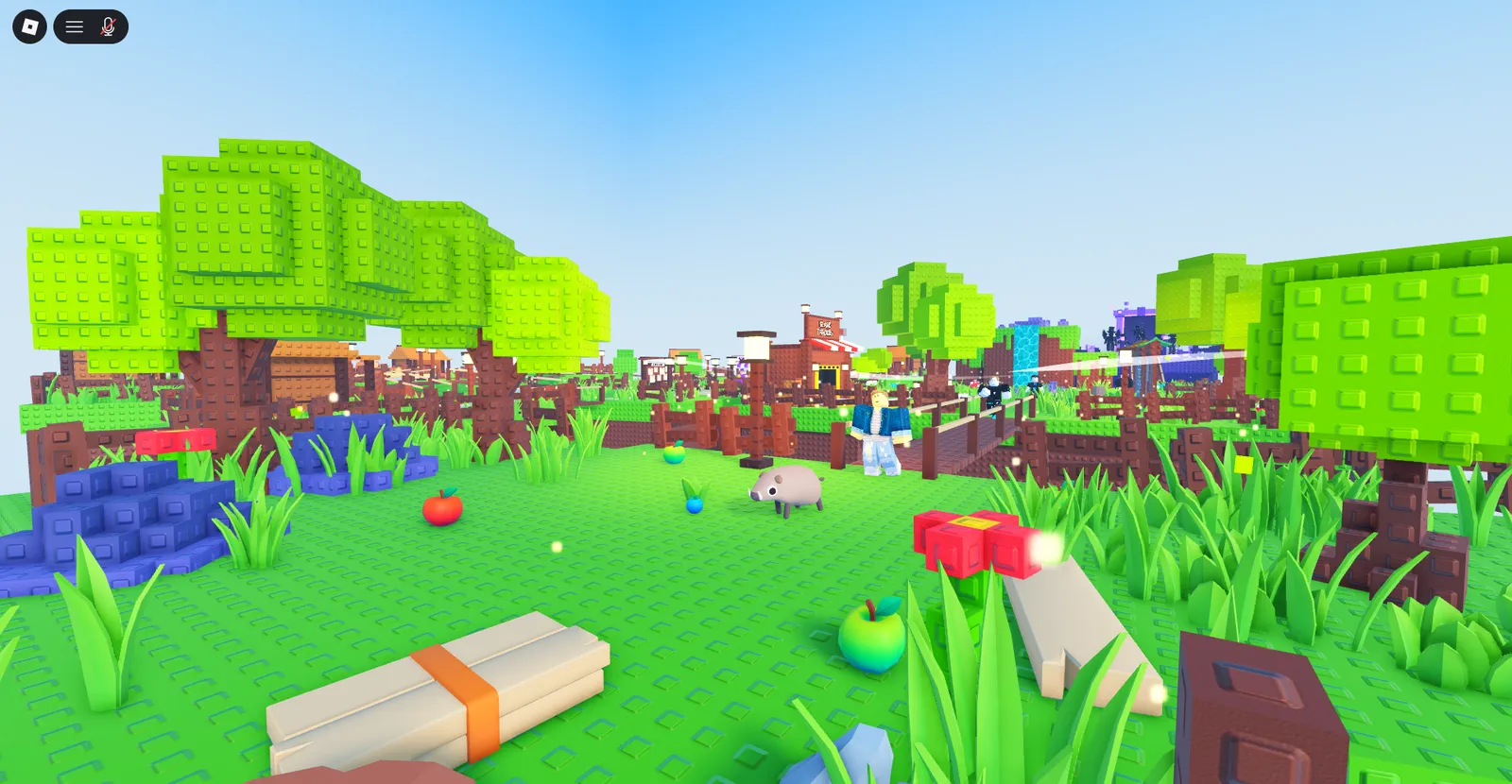
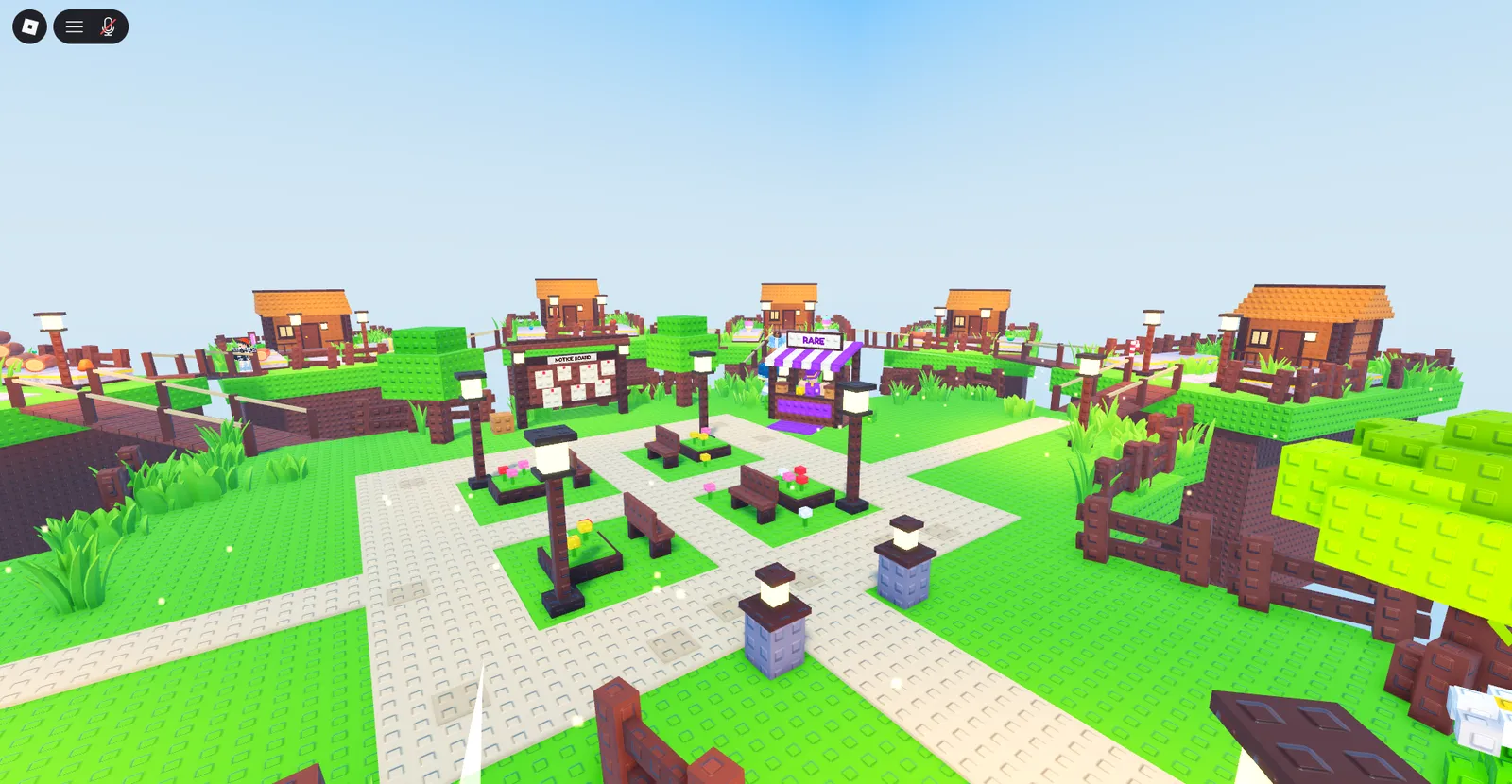
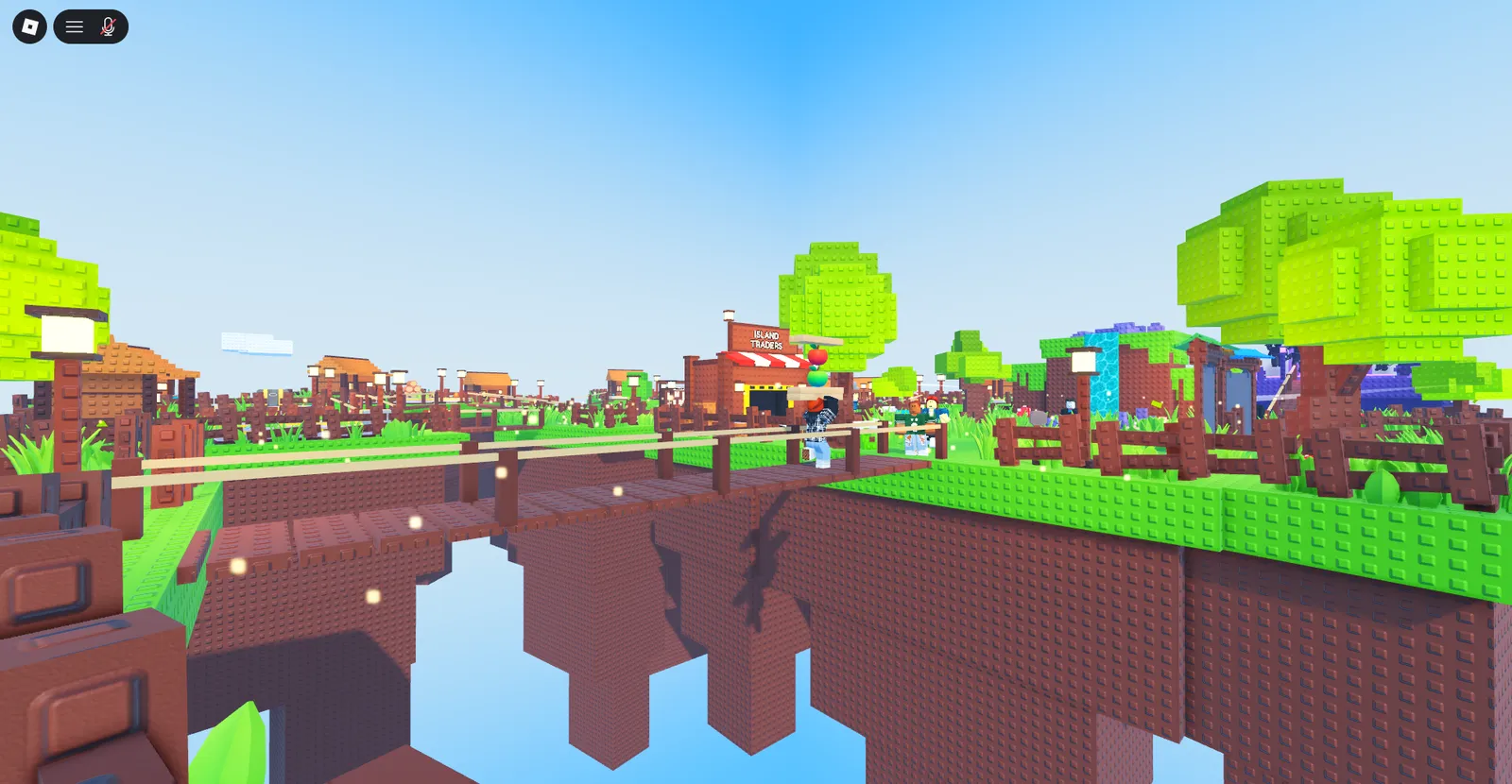
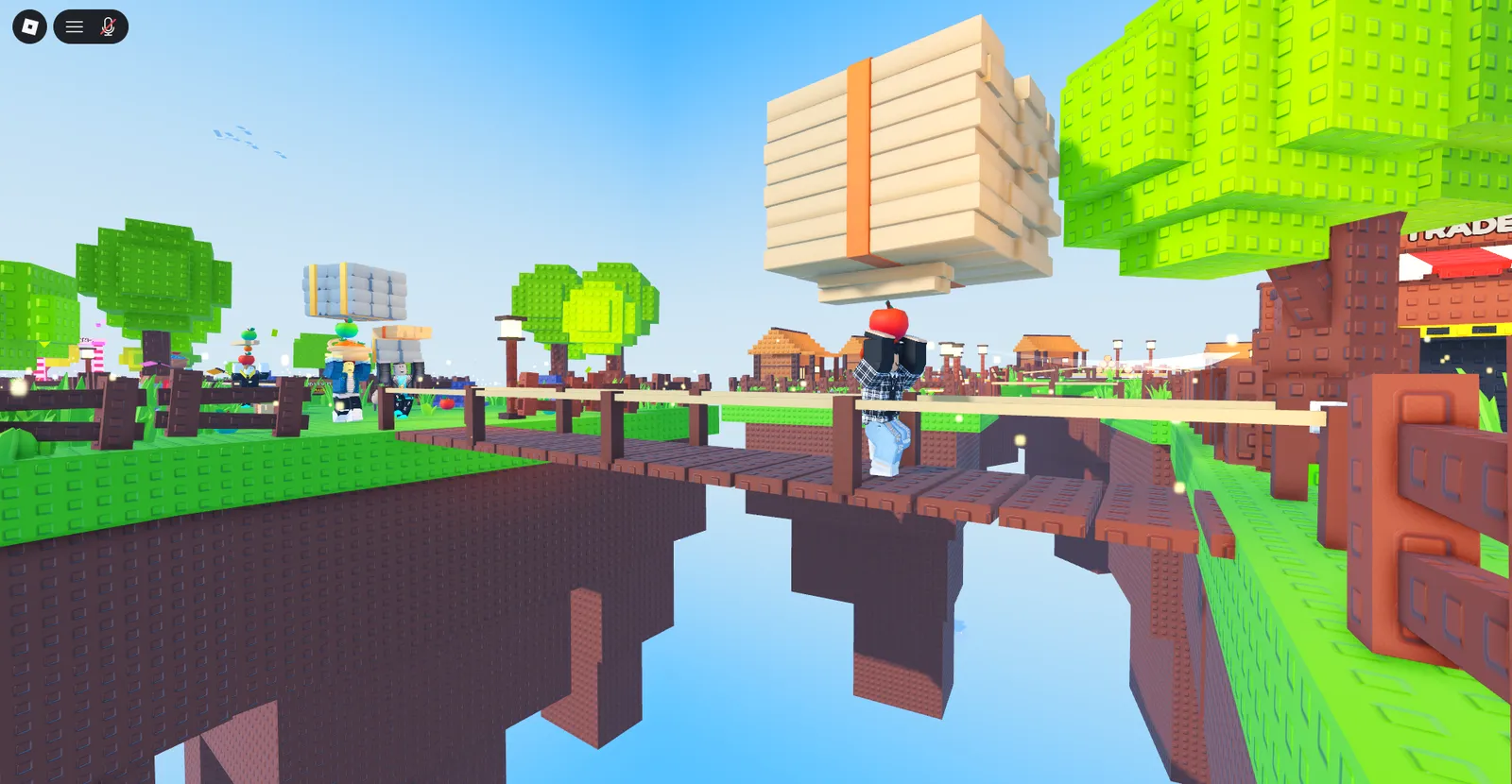
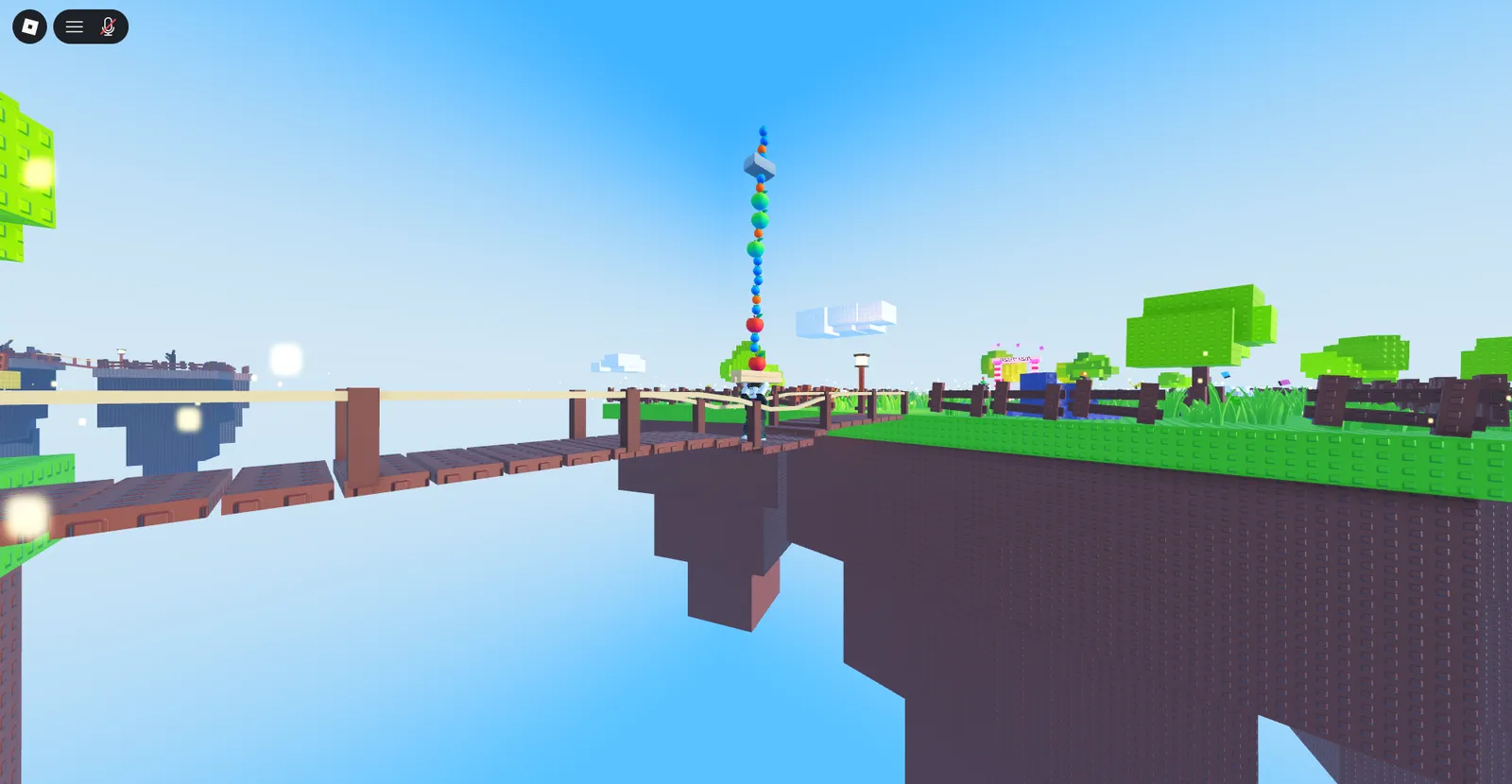
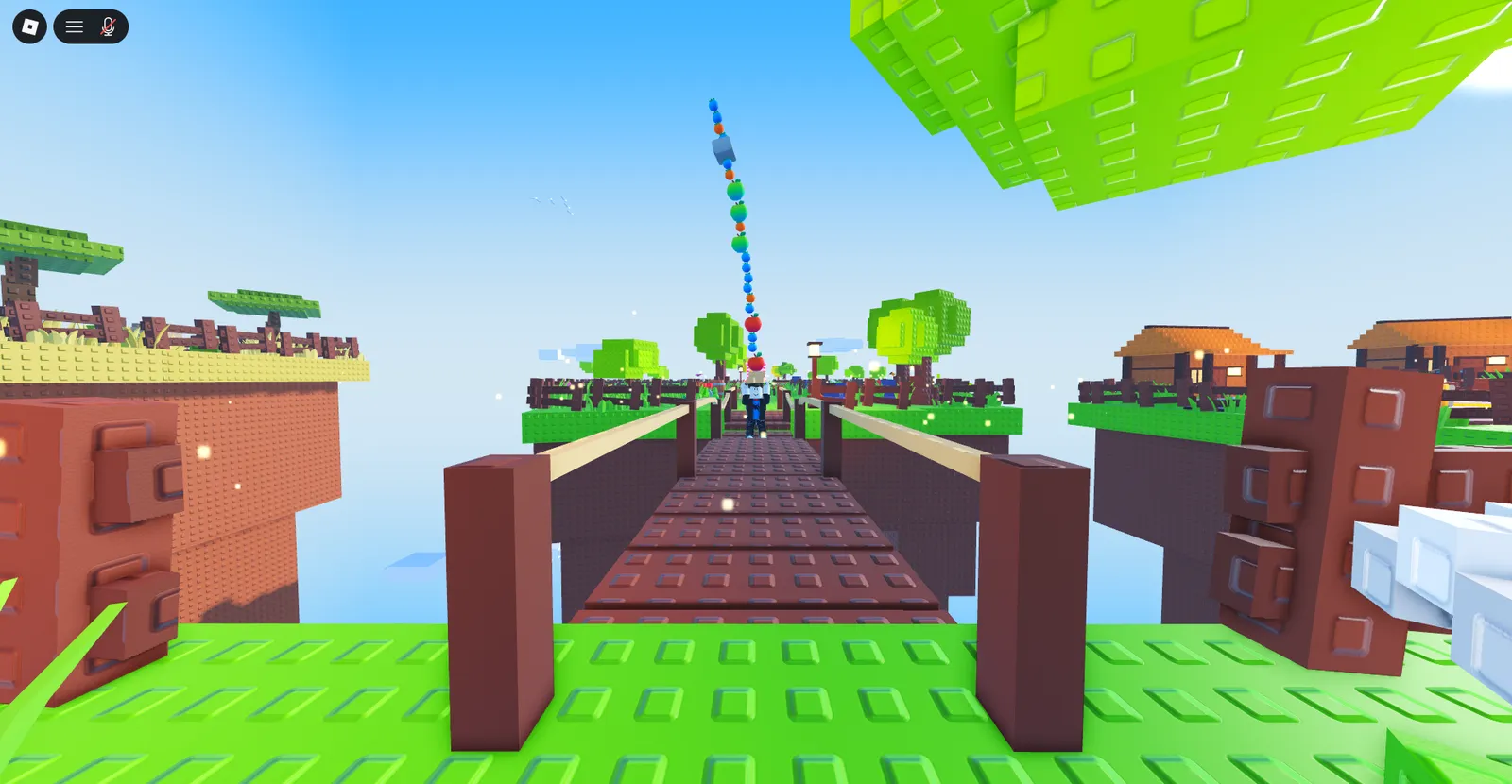
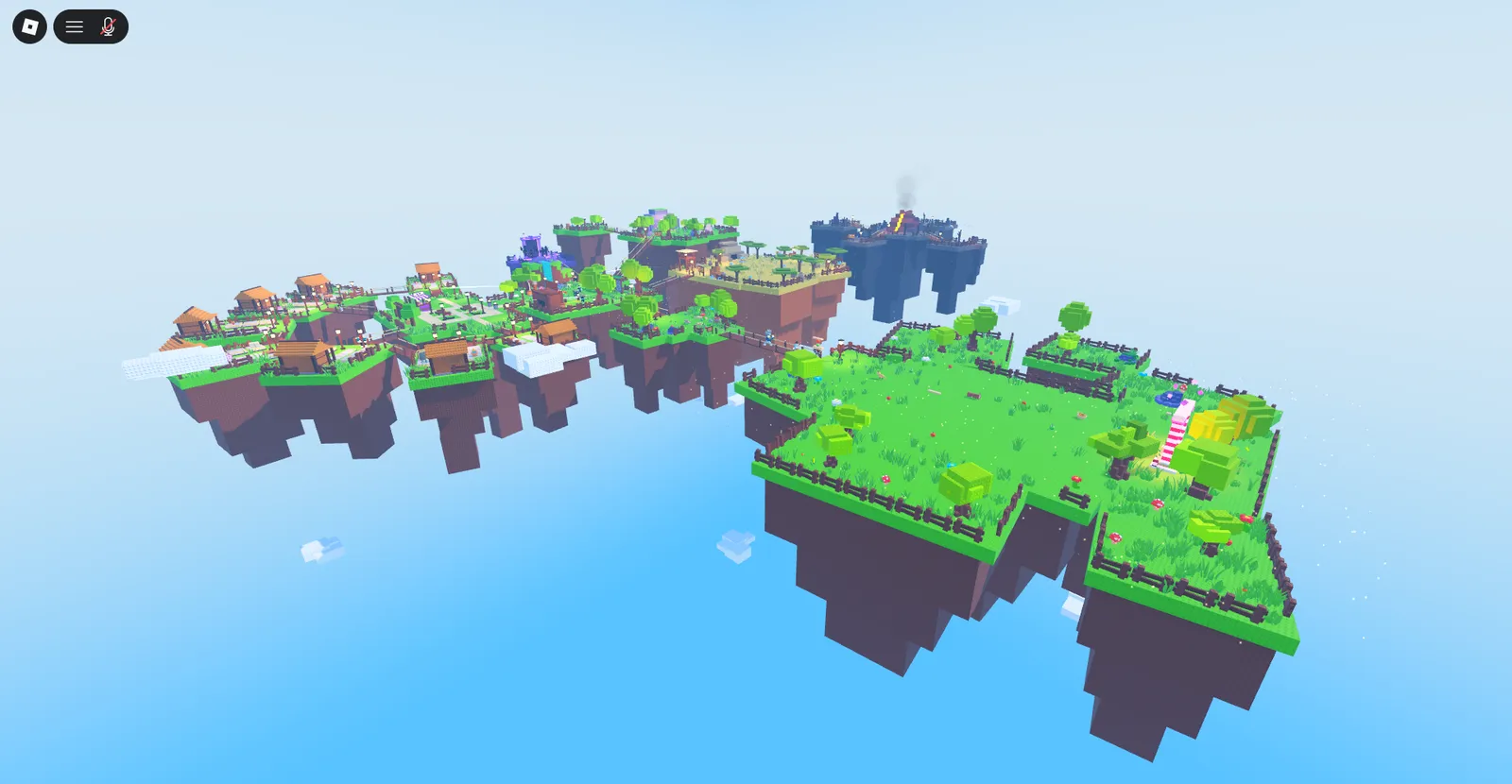
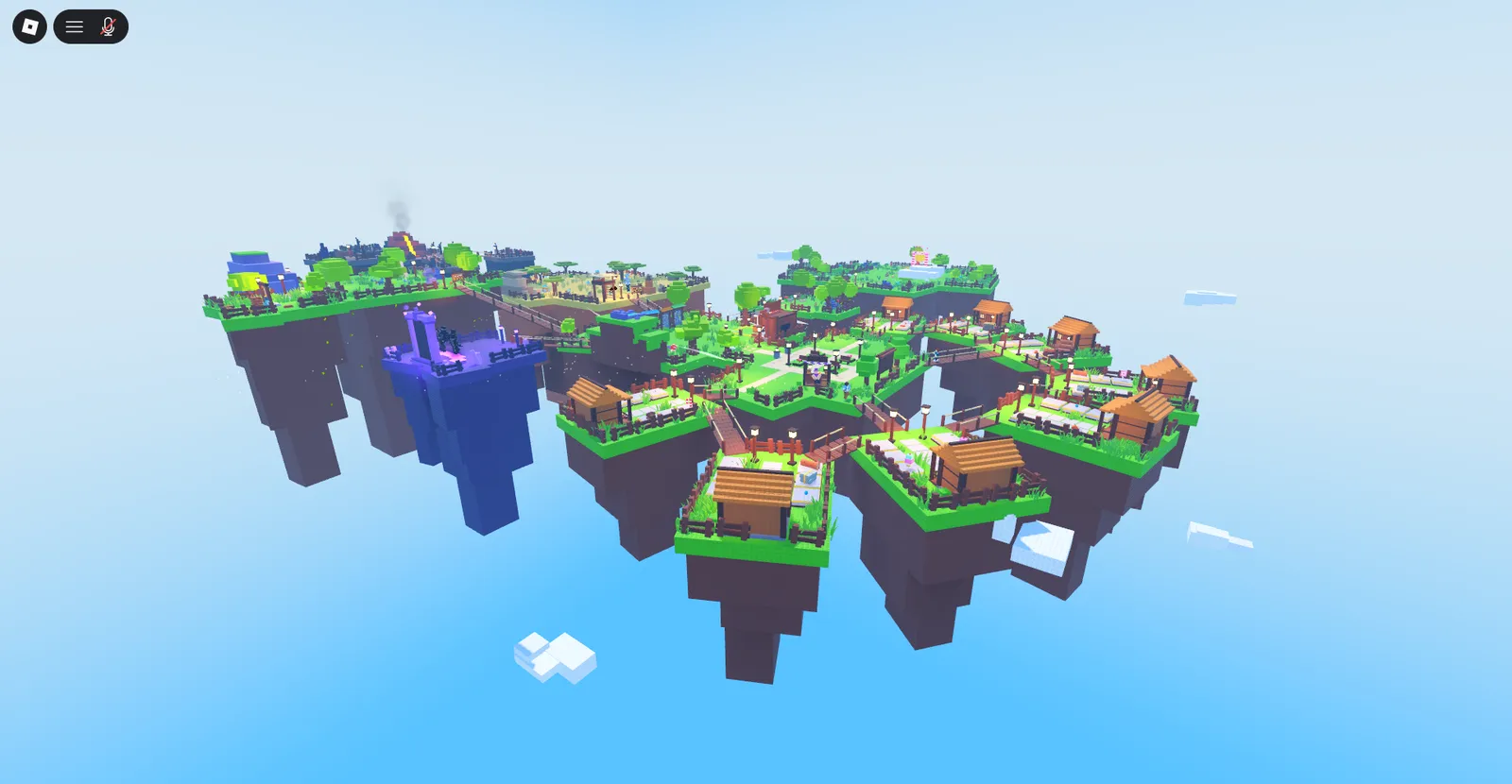
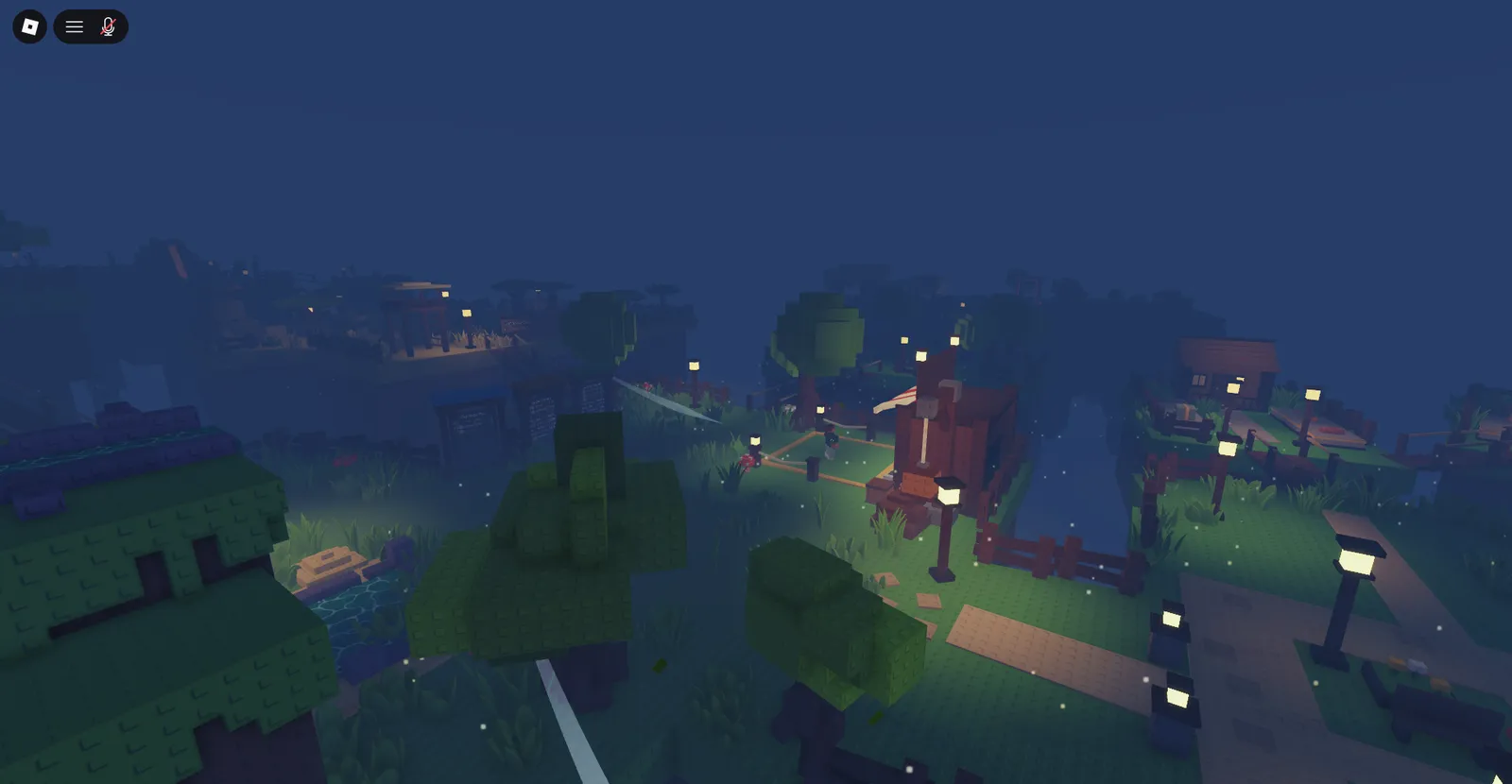
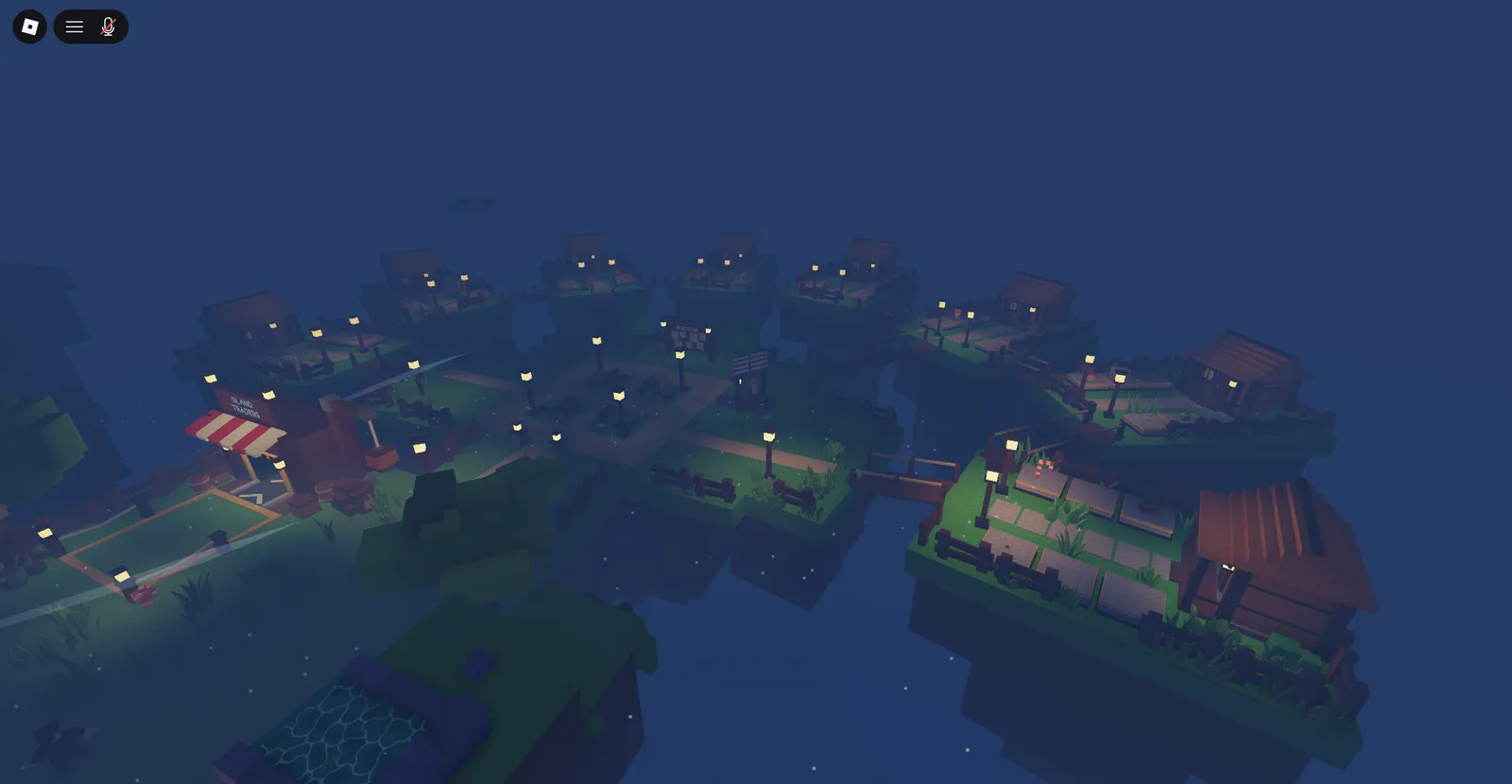
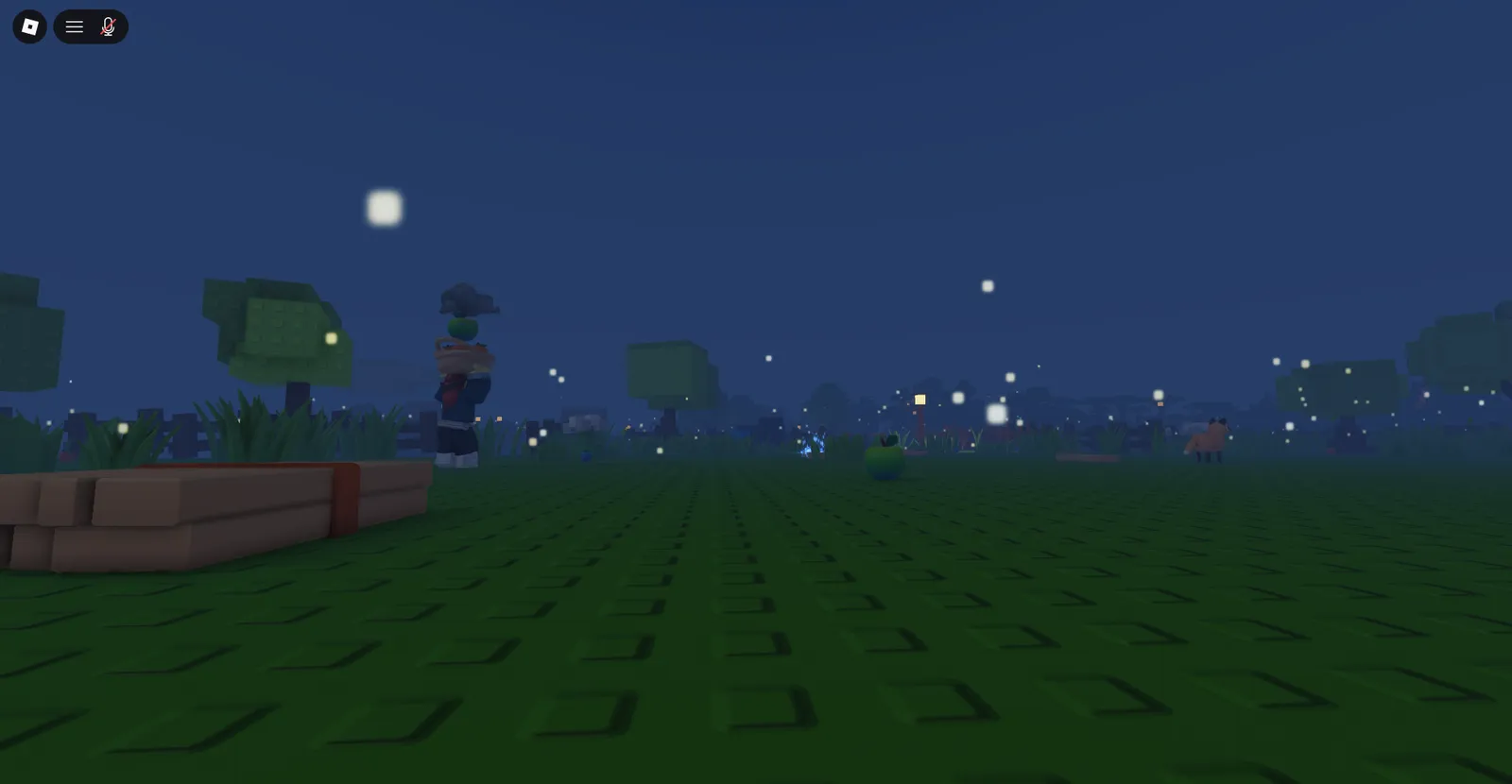
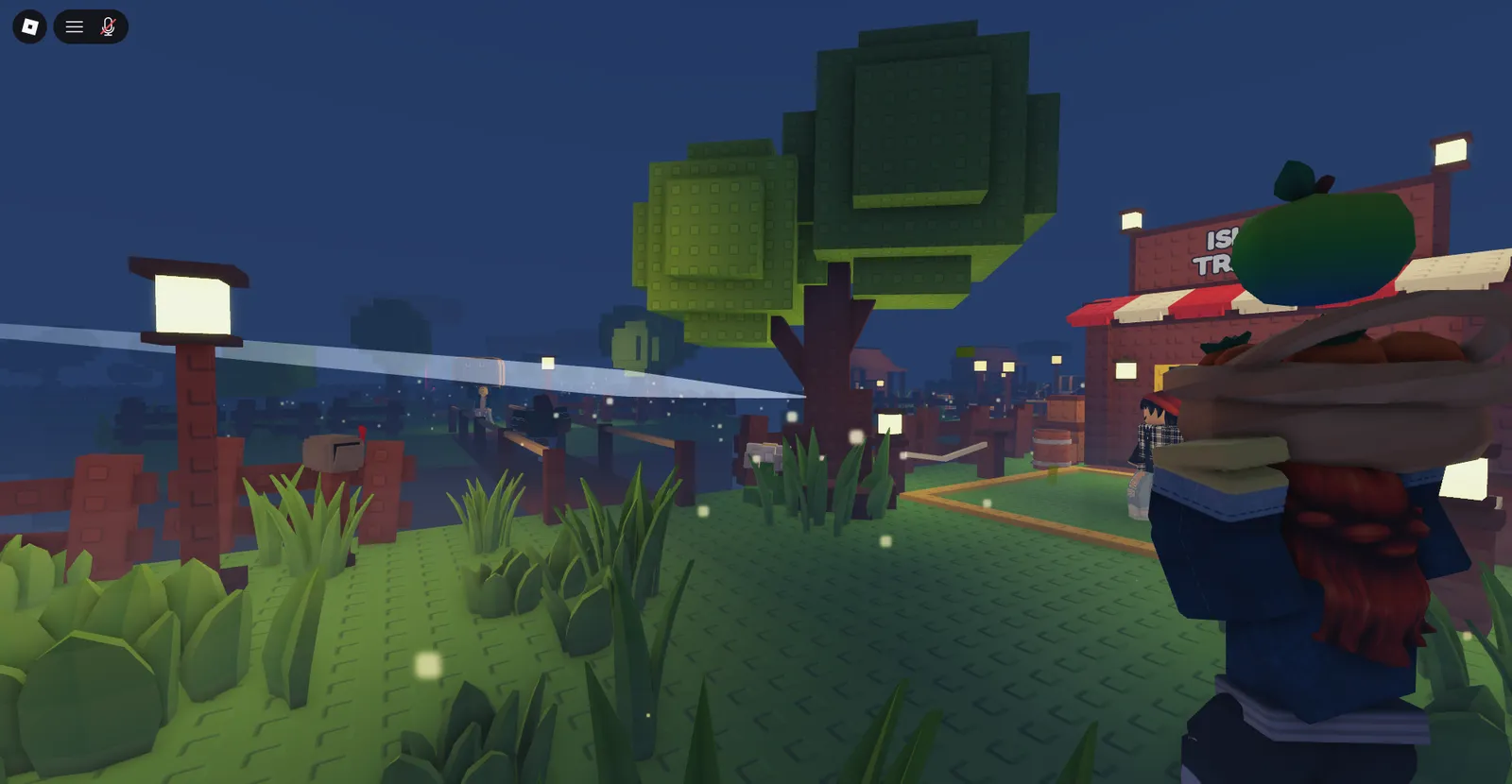
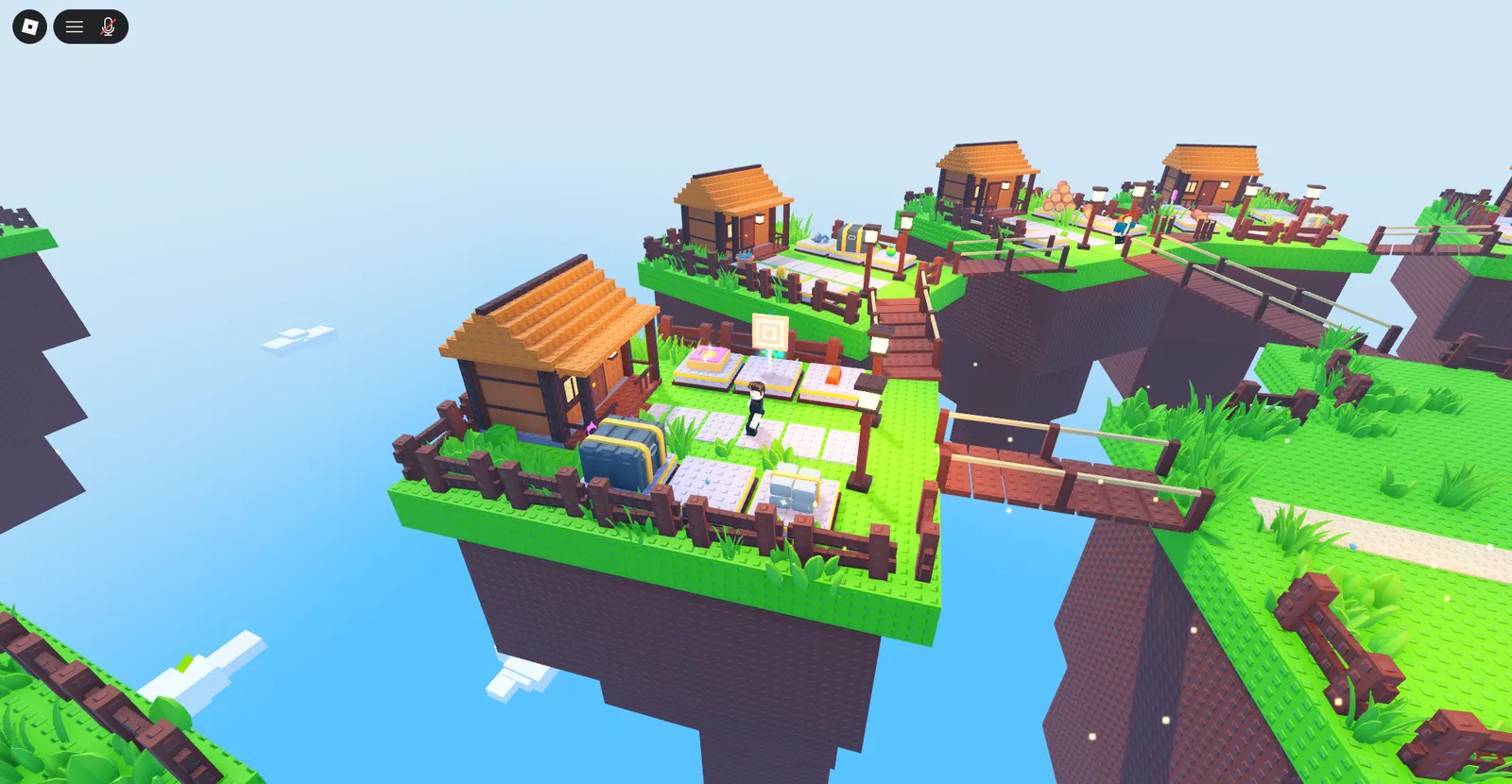
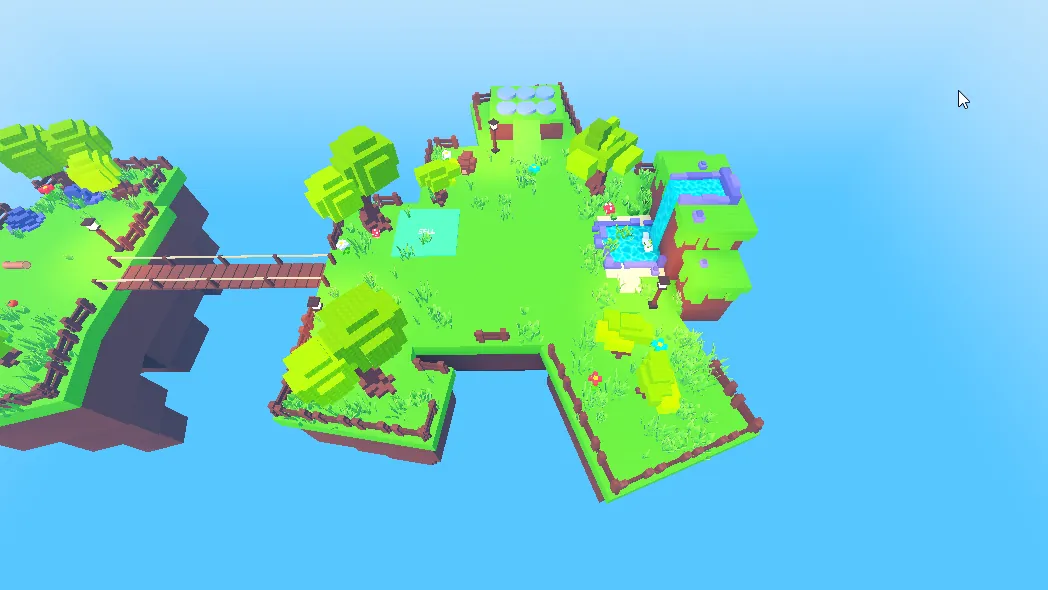
The primary engineering challenge was delivering “juicy”, high-performance physical comedy on Roblox’s networked engine without succumbing to network replication lag or client desync. Simulating a 15+ piece stacked tower using standard Roblox physics constraints across multiple multiplayer characters caused severe jitter and network strain.
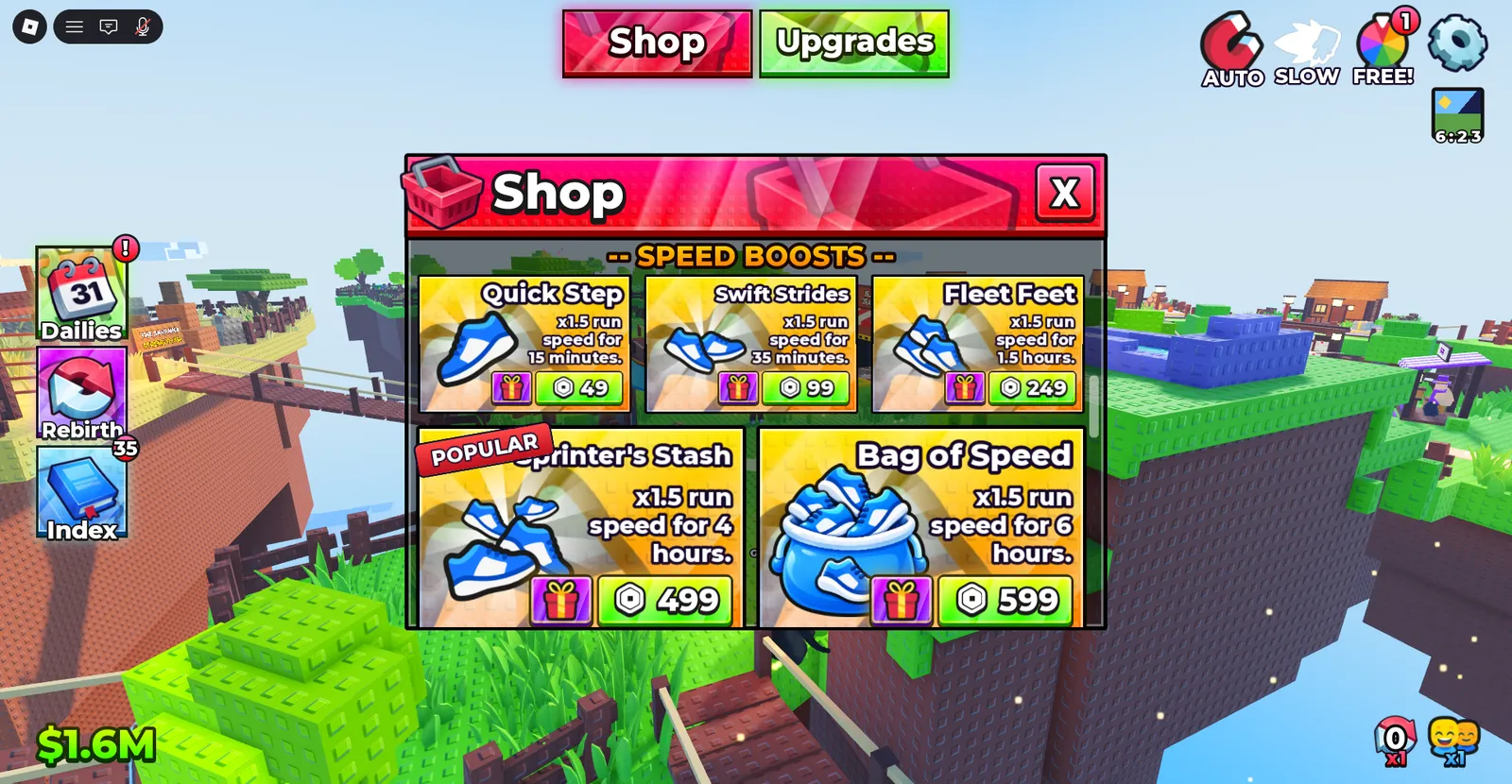
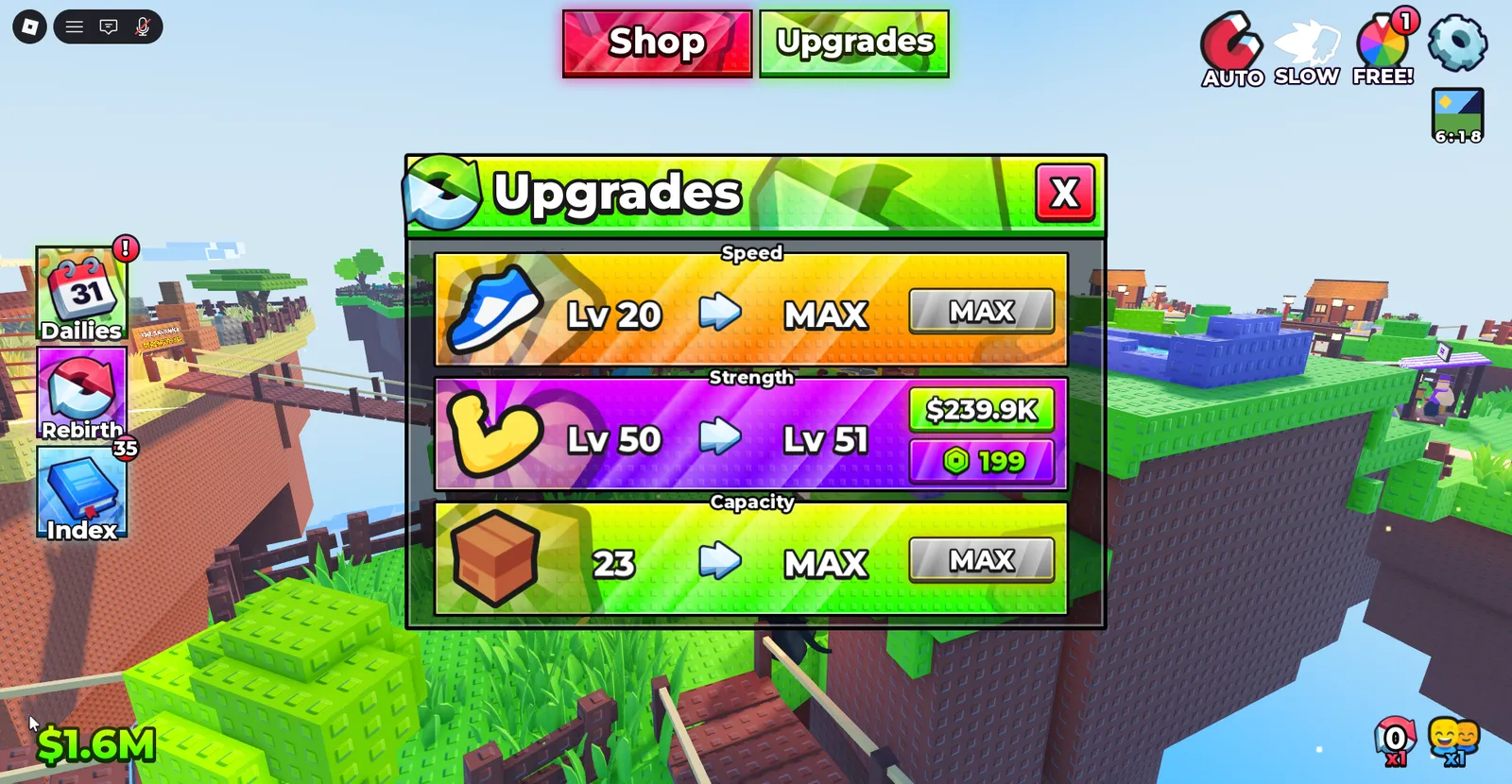
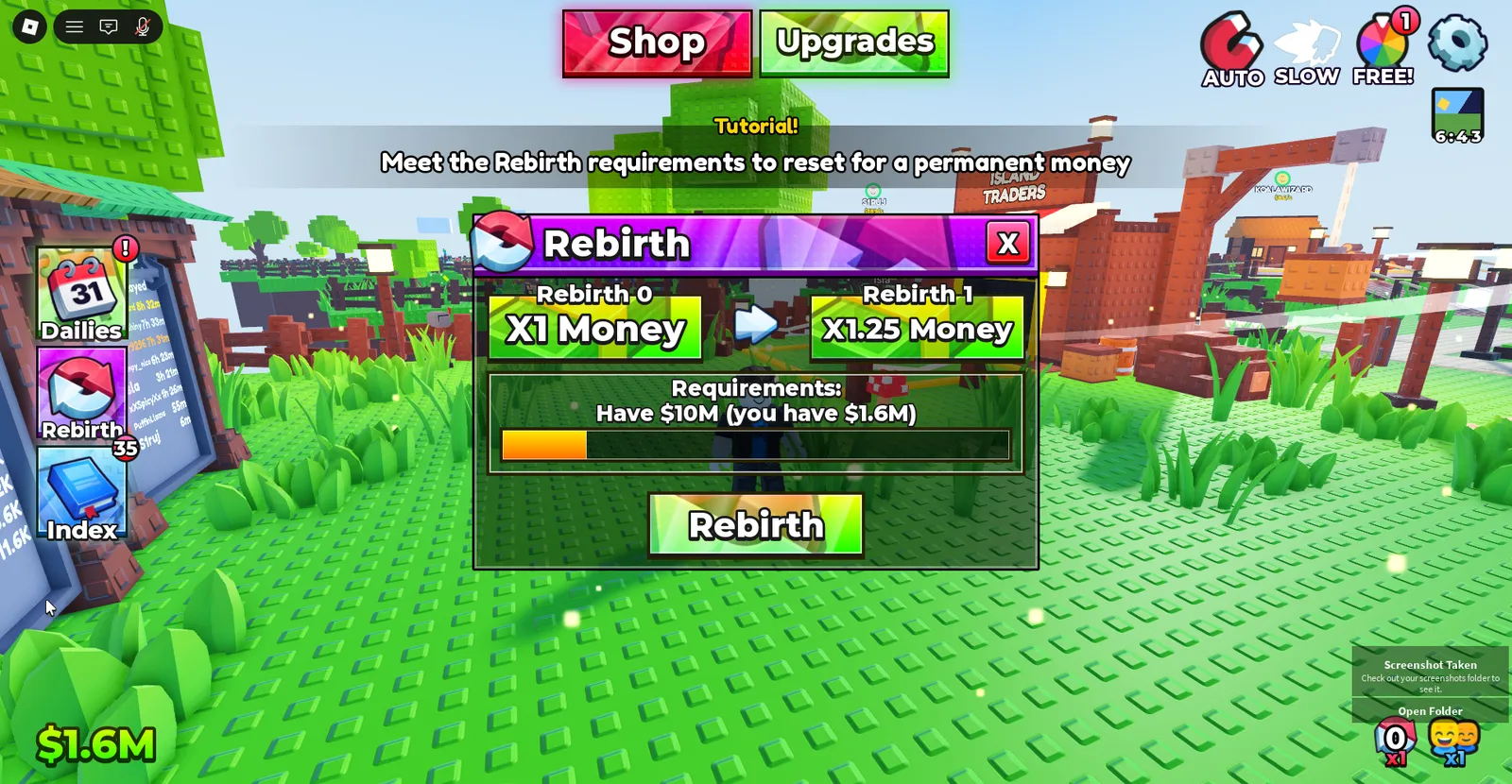
Instead, the stack physics were implemented as a client-side procedural chain of spring-damped joints responding to player acceleration vectors, with lean and sway limits, keeping the server strictly authoritative over inventory records while maintaining silky 60 FPS motion locally. A predictive “PickupGhost” system eliminates touch latency on mobile, and the entire prestige economy was modelled mathematically to balance superlinear reset costs against additive reward scaling.
Mind the branches.
Carry Everything is live on Roblox and free to play. Jump in and see how high you can stack.
Play on Roblox Back to the studio →